
Southeast Asia Rates Spike, and Cargo Volume Is Not the Reason
Southeast Asia Rates Spike, and Cargo Volume Is Not the Reason
Executive Summary
The ASEAN index jumped 9.15% in a week. Congestion is the driver. Here is where the boxes actually sit.
| 9.15% |
| 14.75% |
| 7.78% |
| 6.56% |
| 5.67% |
| 3.71% |
| 3.38% |
| 12% |
Overview
Guangzhou Shipping Exchange put its Greater Bay Area ASEAN container index at 3330.35 points on Sep 24, up 279.11 points, or 9.15%, in a single week. The Philippines lane reached 12991.28 points, up 14.75%, the steepest of the six tracked lanes. Malaysia rose 7.78%, Thailand 6.56%, Indonesia 5.67%, Singapore 3.71% and Vietnam 3.38%. SCFI put Far East to Southeast Asia at 893 USD/TEU, up 12%. Here's the thing: US East and US West moved less than 1% over the same seven days, so if you price off the headline, you will misread the whole market.
Freight is up.
Cargo is not.
Key Details
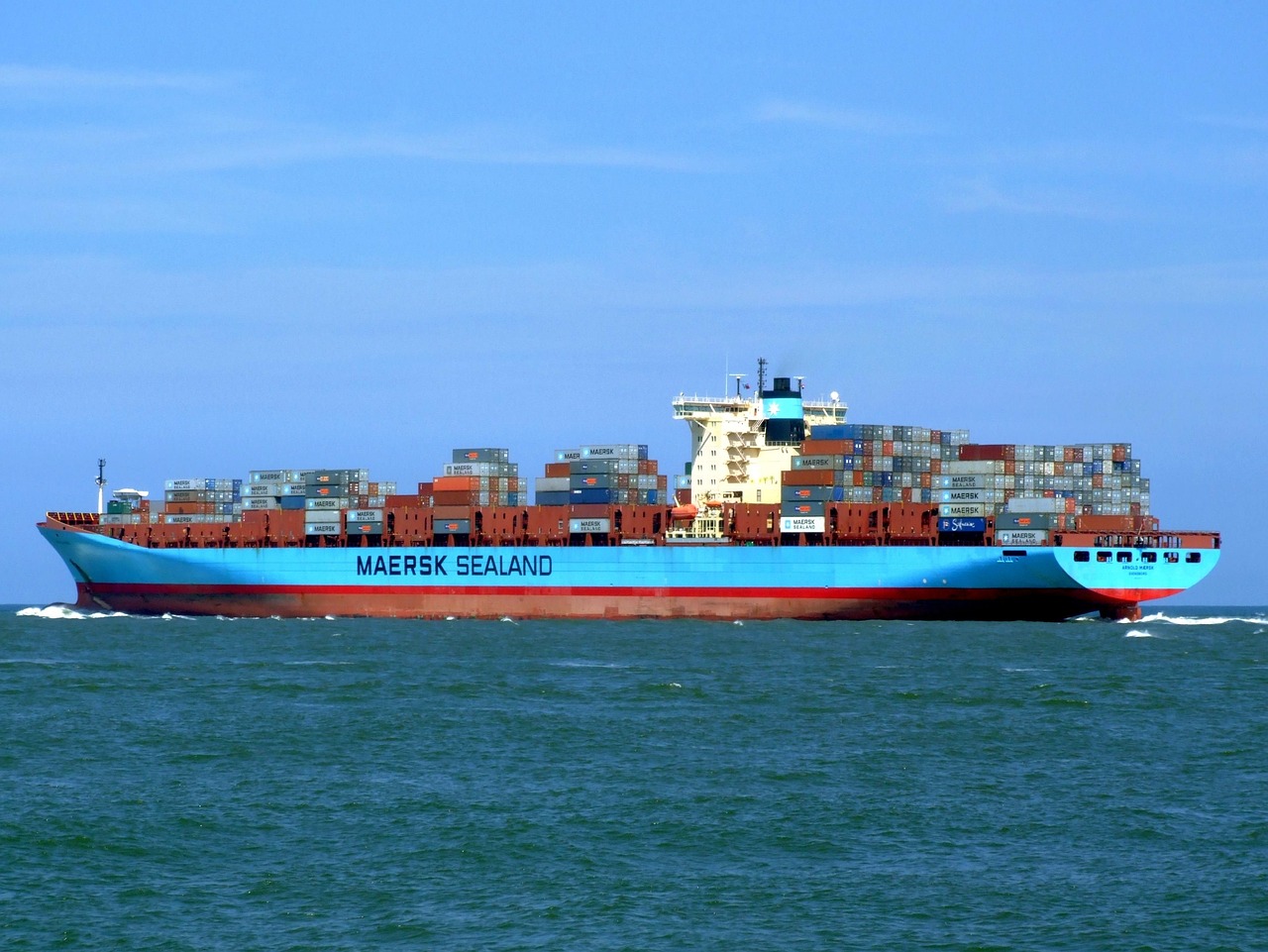
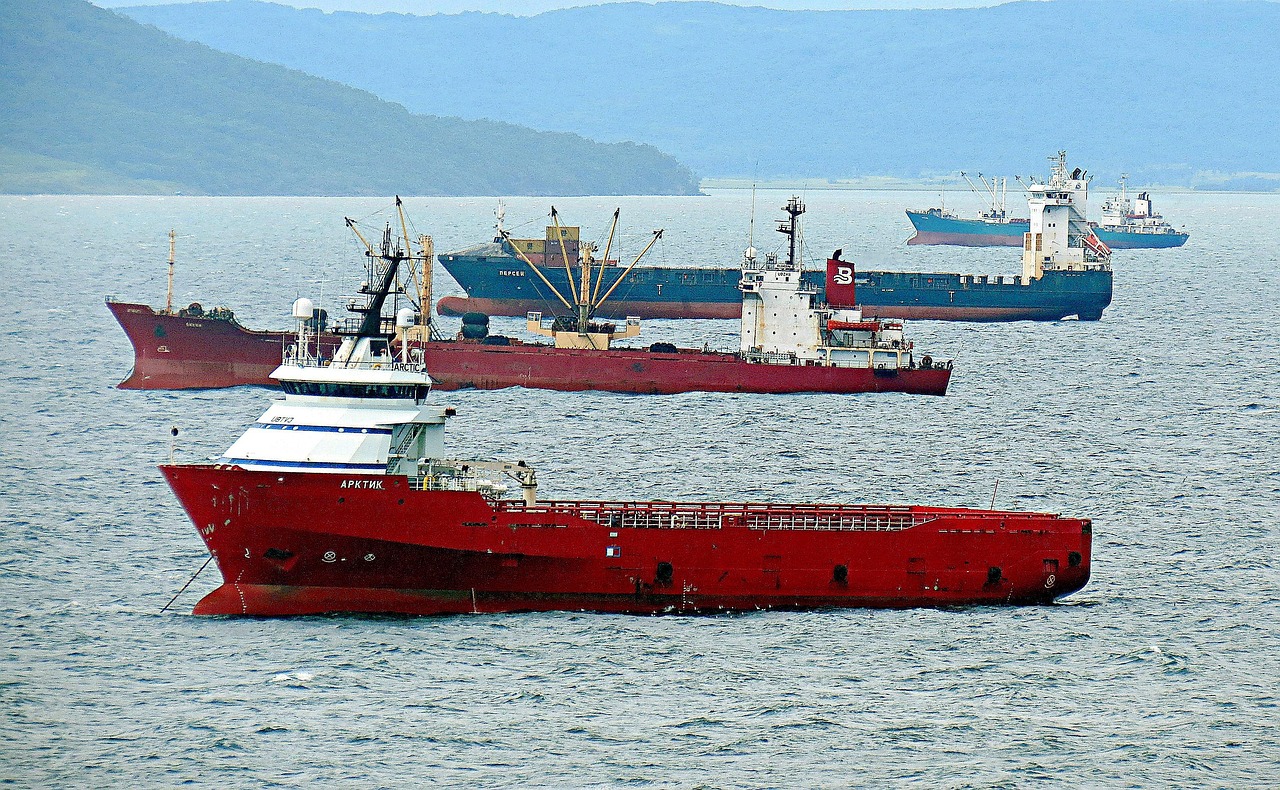
Put simply, the ships cannot turn around. Port Klang runs at 90% to 95% yard utilisation, and emergency dredging from Sep 7 shut berths 22 and 23 for more than ten days. A cyber attack hit Tanjung Pelepas on Sep 9 and froze the terminal operating system, and Maersk confirmed delays on some vessels. Manila is congested badly enough that transit stretched from 3 to 7 days to as much as 25 days. On the loading side, average berth waiting at Shanghai reached 5.46 days while Ningbo yard utilisation sat at 92% to 95%. That is where the capacity went — not into demand.
Two chokepoints.
Both at once.
Ask your carrier which one your boxes route through.
Looking Ahead
Freight forwarders published these 40HQ numbers for September (in USD): Port Klang 1,500, Singapore 1,200, Jakarta 1,200, Laem Chabang 1,100, Ho Chi Minh 1,000, Haiphong 800, Manila 500. Bottom line, the cheapest quote is not your cheapest door. Manila looks like a bargain at 500 USD until you add 25 days of transit and whatever congestion surcharge lands on top of it. You are buying time here as much as space.
Cheap rate, expensive delay.
Ask about dwell days before you ask about price.
Implications
Frankly, I would not lock a long-term contract at this level. This is a capacity problem, not a demand one, and capacity problems unwind quickly. Watch out for the opposite trap, though: rolling the dice on a spot booking when your cargo has a hard delivery date. Book 7 to 10 days ahead, get the alternative carrier named in writing, and keep a second option alive. If Port Klang and Tanjung Pelepas clear by late Oct, these numbers come off faster than anything on the transpacific.
Lock space, not price.
That is the trade.
Market Outlook
Our read: this is a capacity spike, and capacity spikes on short-sea lanes fade much faster than on the transpacific. Expect the first meaningful correction in the second half of Oct, once factories reopen and the congestion backlog clears. Price your contracts on that assumption, not on September spot.JETWAY Supply Chain is your execution partner on the ground in China — based in Tianjin, licensed as an NVOCC (MOT) and a member of CIFA, FIATA and WCA. We handle special cargo and compliance (dangerous goods, chemicals, batteries) across ocean, air, rail and road, and we pre-check your documents before the box is stuffed so your filing clears the first time. Send us your next booking and we will run the checks above against your sailing date. Request a quote.