
Tianjin Port nine-month results: containers +3.6%, cargo +1.3%, rail-sea +5.3%
Executive Summary
Tianjin Port nine-month scorecard is in: container volume reached 19.61 million TEU, up 3.6% year on year, while general cargo throughput held at 390 million tonnes, up just 1.3%. The gap is the story — boxes are growing more than twice as fast as bulk. Behind the numbers, the port is betting hard on land corridors: rail-sea intermodal volume rose 5.3% and the inland dry-port network now spans 20 nodes.
| Port throughput | 3.6% |
| Port throughput 2 | 1.3% |
| Tianjin Port | 60% |
| Rail-sea intermodal volume | 5.3% |
Overview
Container volume hit 19.61 million TEU, up 3.6%. Cargo throughput reached 390 million tonnes, up only 1.3%.
Here's the thing: boxes grew more than twice as fast as bulk. The catch is, that tells you what kind of cargo is moving — higher-value boxes, not loose bulk.
The port now runs 152 shipping routes, 91 of them foreign-trade, about 60% of the total.
When you quote a Tianjin booking, stop staring at tonnage. Box count is the real signal this year.
Key Details
The land side moved faster. Rail-sea intermodal volume rose 5.3% in the first nine months — well above the 3.6% container gain and the 1.3% cargo gain on the sea side.
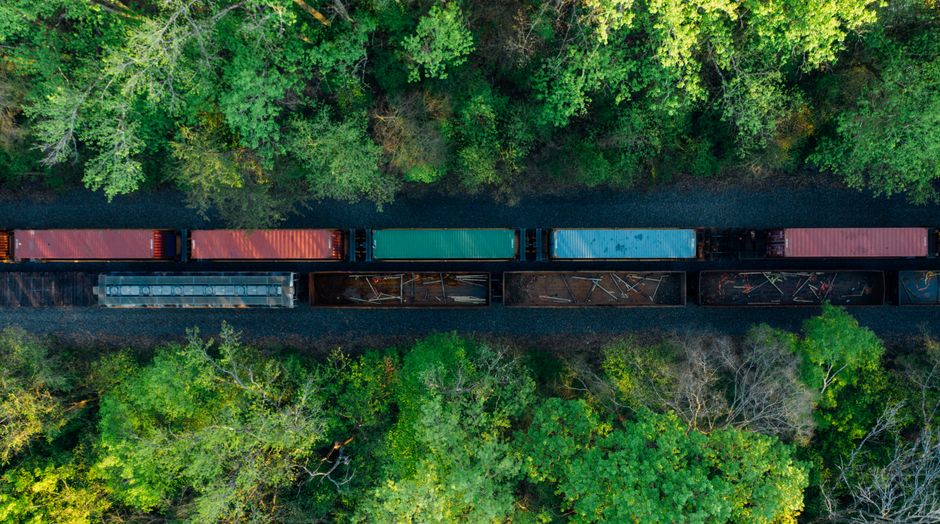
This is the part that matters for your planning: Tianjin is shifting from a bulk gateway to a land corridor — and the numbers show it. It now runs 48 rail-sea block trains, 20 inland dry ports and 8 container management centers, and it ran 579 China-Europe (Asia) trains in the first three quarters. Those figures are not a one-off; they are a structural pivot toward rail.
Frankly, the sea side has hit its ceiling. All the growth is now on the land side.
Watch the value, not the count.

Looking Ahead
Shuozhou, Shanxi — an inland dry port — was inaugurated in August, lifting Tianjin dry-port count to 20.
If you move cargo out of Shanxi or Inner Mongolia, you now have several more rail-sea exits than a year ago.
Don't bet on this slowing. The corridor only just started showing up in the numbers.
Implications
Tianjin mix is clear: fewer bulk wins, more high-value boxes and land corridors.
Your edge is locking rail-sea block-train space and bonded consolidation — not fighting the LCL price war.
Bottom line, book the block-train window first. The land corridor only just started scaling, and space will tighten before the sea side does.
Market Outlook
Into Q4 — the traditional peak tail — the question is whether the 3.6% container gain holds through these three months. If rail-sea intermodal stays above 5.3% into December, the land-corridor strategy is a real turn, not a flash. More dry-port nodes like Shuozhou will pull hinterland cargo onto rail faster. So where does that leave your quoting? On the rail side, earlier than you think.JETWAY Supply Chain is your execution partner on the ground in China — based in Tianjin, licensed as an NVOCC (MOT) and a member of CIFA, FIATA and WCA. We handle special cargo and compliance (dangerous goods, chemicals, batteries) across ocean, air, rail and road, and we pre-check your documents before the box is stuffed so your filing clears the first time. Send us your next booking and we will run the checks above against your sailing date. Request a quote.