
Solvent-Based Paint Is Class 3 — 1,200 Drums Seized at Chinese Ports
Solvent-Based Paint Is Class 3 — 1,200 Drums Seized at Chinese Ports
Executive Summary
Solvent-based paint moves as a Class 3 dangerous good. Customs has been seizing whole batches at Chinese ports — no dangerous-goods packing certificate, no export. Think a drum of paint is harmless? The 500 drums in Dalian and the 700 in Qingdao would disagree. Here is what it means for your next order.
Is Your Paint Actually a Dangerous Good?
Solvent-based coatings are almost always a dangerous good. Route them as general cargo and you are gambling with the whole shipment.
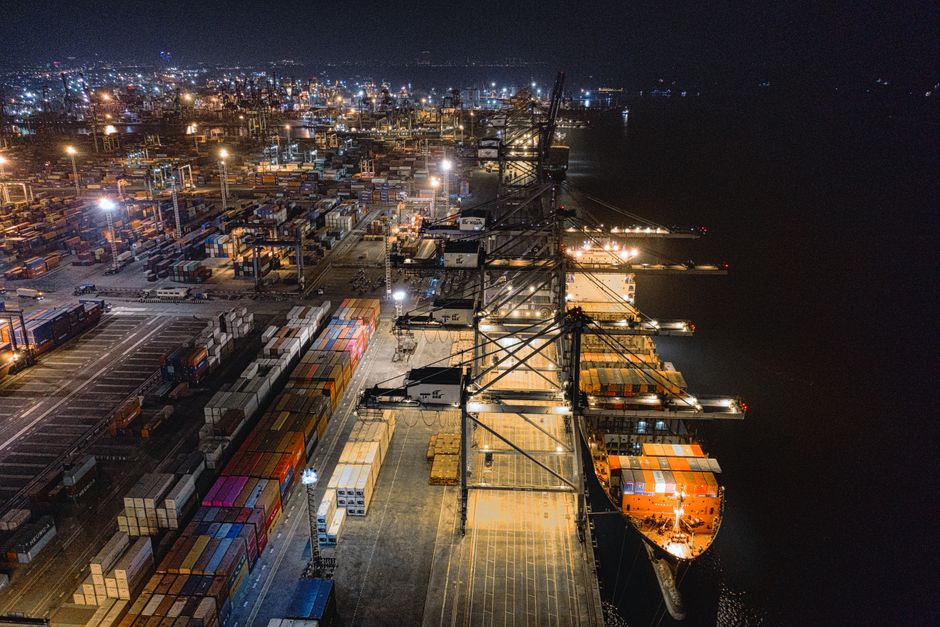
Dalian Customs recently held 500 drums — topcoat, primer, undercoat — all classed as Class 3 flammable liquid. Qingdao was tougher on 2 August: a 700-drum, 17.7-tonne batch declared as "sand-core reinforcing agent" turned out to be Class 3, with no inspection record and no dangerous-goods certificate. Export was refused outright.
Macau's cases are blunter. Coatings, finish paint, hardener, spray paint — every one tested Class 3, and all sit in the hazardous-chemical catalogue.
Here's the thing: the general-cargo route was never open for these goods. Many shippers file paint as general cargo and never run the DG process. The route does not work.
Where the Line Falls: Solvent and Flash Point
What pushes paint into Class 3 is the solvent, plain and simple.
Paint is not banned across the board. Water-based coatings — no flammable solvent — usually move as general cargo or Class 9. The trouble is solvent-based: mix in xylene, acetate esters or similar flammable solvents, drop the flash point, and the product falls into Class 3 flammable liquid, UN1263 (paints or related material). The cut is solvent content and flash point: high solvent share with a closed-cup flash point below 60°C by road or 23°C by sea means you cannot pass it off as general cargo. Customs and the maritime authority read the Class 3 mark on your MSDS plus the hazard label — not the word "paint" on your declaration.
The line is firm. My read: if the can smells sharp and you would not strike a match nearby, it is almost certainly Class 3. Don't bet on it.
UN1263 — and Don't Confuse the Number
UN1263 is a Class 3 flammable liquid. Packing group is II or III, set by the flash point.
The catch is the number. Paint is 1263 — not 1268, not 1139. Get it wrong and the booking is rejected.
What to Do Before You Book
Step one: before you ship, have the factory issue an MSDS that shows the Class 3 mark. Don't hand over a stale version.
Step two: get the dangerous-goods packing certificate — the performance sheet plus the use-appraisal sheet (metal-drum performance sheets are valid 3 years, plastic 2 years). Use II or III DG packing. Leave none of it out.
Step three: declare the name truthfully as "coating (solvent-based)". Writing just "coating" and hoping to slip through is how batches get pulled.
Run the numbers. Doing it right costs about ¥2,000 and 3 days for a small container. Get seized and returned, and you are looking at demurrage, a declaration amendment and a fresh DG certificate — ¥15,000 to ¥30,000 and 15 days minimum.
If your batch is already at the port, open the MSDS first. Marked Class 3? Rush the certificate now — don't wait for inspection to seize it. (Final classification rests with an authorised appraisal body.) Need a second pair of eyes on your coating filing? Our special cargo desk checks it before the box is stuffed.
Market Outlook
My read: this is a tightening trend, not a one-week sweep. Nationwide, customs is cracking down on "dangerous goods not declared as such," and coatings, primer and spray paint are at the top of the list. Strict DG declaration is here to stay — anything with solvent in the name should stop using the general-cargo channel now. Frankly, the cheapest fix is to build the DG filing into your quote stage, not your crisis stage. Plan the certificate when you price the order, and the drum sails.
JETWAY Supply Chain is your execution partner on the ground in China — based in Tianjin, licensed as an NVOCC (MOT) and a member of CIFA, FIATA and WCA. We handle special cargo and compliance (dangerous goods, chemicals, batteries) across ocean, air, rail and road, and we pre-check your documents before the box is stuffed so your filing clears the first time. Send us your next booking and we will run the checks above against your sailing date. Request a quote.