
MSC's USD 1 Billion Terminal at Charleston Shuts Down: Expect 3–7 Day Pickup Delays on US East Coast
MSC's USD 1 Billion Terminal at Charleston Shuts Down: Expect 3–7 Day Pickup Delays on US East Coast
Executive Summary
Effective August 1, 2026, MSC has consolidated all its US East Coast container operations in Charleston onto the mature Wando Welch and North Charleston terminals, ending five years of service at the USD 1 billion Leatherman Terminal. Containers shipped in early-to-mid July under MSC bills of lading will arrive during the transition window and face systematic delays of 3–7 days in pickup and return, with drayage rates rising 20–40% and demurrage piling up on top. USEC spot rates have already climbed 12.6% week-on-week to USD 9,054/FEU as the August back-to-school peak compounds the disruption. BCOs and forwarders carrying MSC boxes into the Southeast should revalidate terminal fields on every in-transit B/L, rebook drayage, and extend free-time clauses in writing before the congestion peaks.
| Leatherman Terminal capex | USD 1 billion (opened 2021) |
| Effective utilization | < 10% |
| Pickup / return delay during transition | 3–7 days |
| Drayage rate uplift (local) | +20% to +40% |
| USEC spot rate (week of Aug 1) | USD 9,054 / FEU (+12.6% WoW) |
| Asia–USEC transit | 25–35 days |
| Affected carrier | MSC (Mediterranean Shipping Company) |
What Just Happened at Charleston
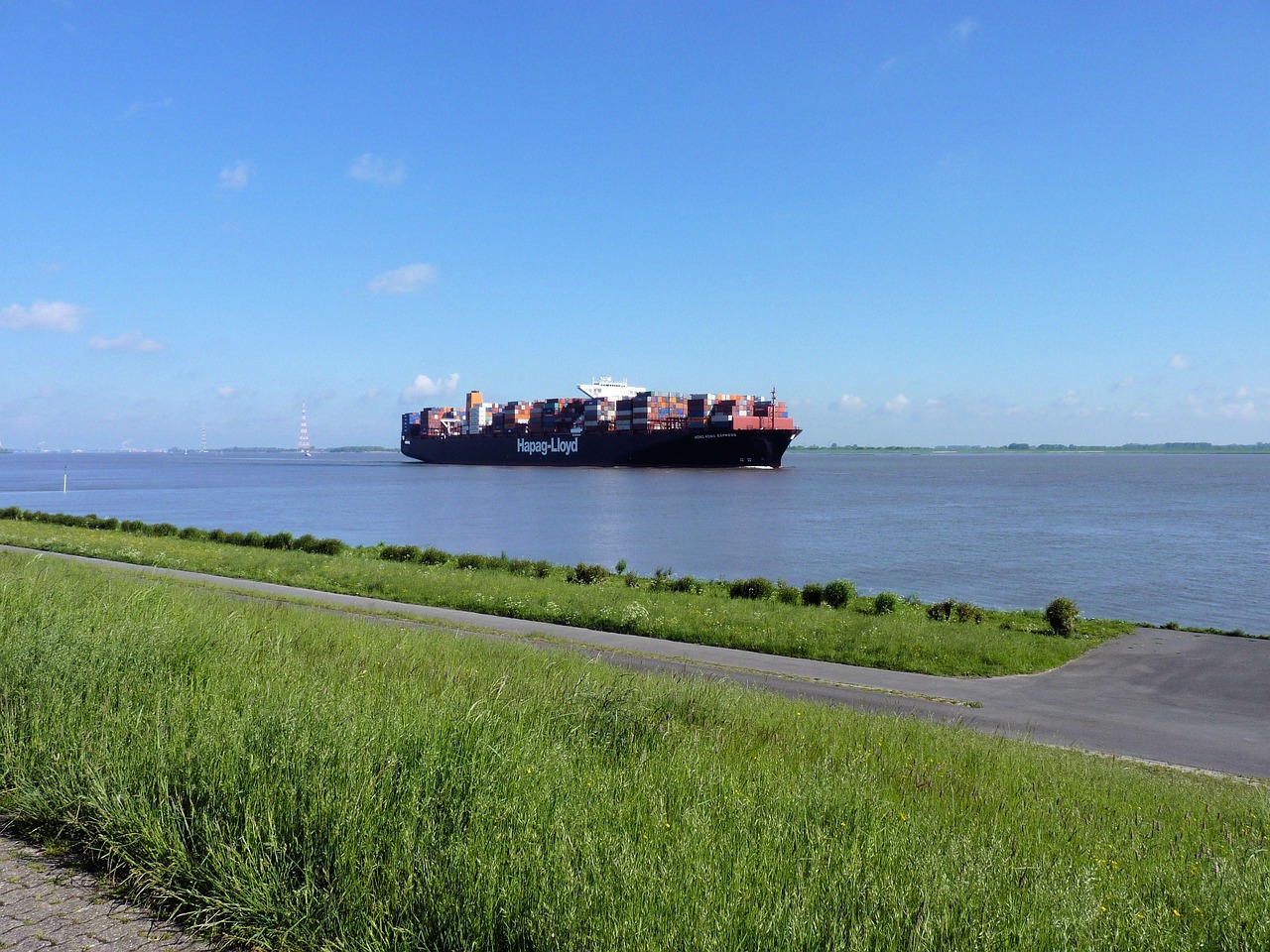
The Port of Charleston has formally confirmed that from August 1, 2026, the Leatherman Terminal — a USD 1 billion facility that opened only in 2021 — will cease all container operations. Every MSC service that previously called Leatherman has been redirected to the port's two established terminals, Wando Welch and North Charleston. The decision is contained but commercially sharp: only MSC is directly affected, yet MSC is one of the two largest carriers on the trans-Pacific into the US Southeast, so the impact radiates through a meaningful slice of inbound volumes.
Asia–USEC transit times run 25–35 days, which means that containers loaded on MSC services in early-to-mid July will discharge squarely inside the transition window. For BCOs and forwarders who booked MSC without closely tracking the terminal field, the practical consequence is that an in-transit container whose B/L still says "Leatherman" will now be at one of two different terminals, often with mismatched data between the terminal operating system, the ocean carrier's release system, and the drayage provider's appointment book. That mismatch is the root cause of the 3–7 day pickup delays that are already showing up this week.
Why a Five-Year-Old USD 1 Billion Terminal Was Closed
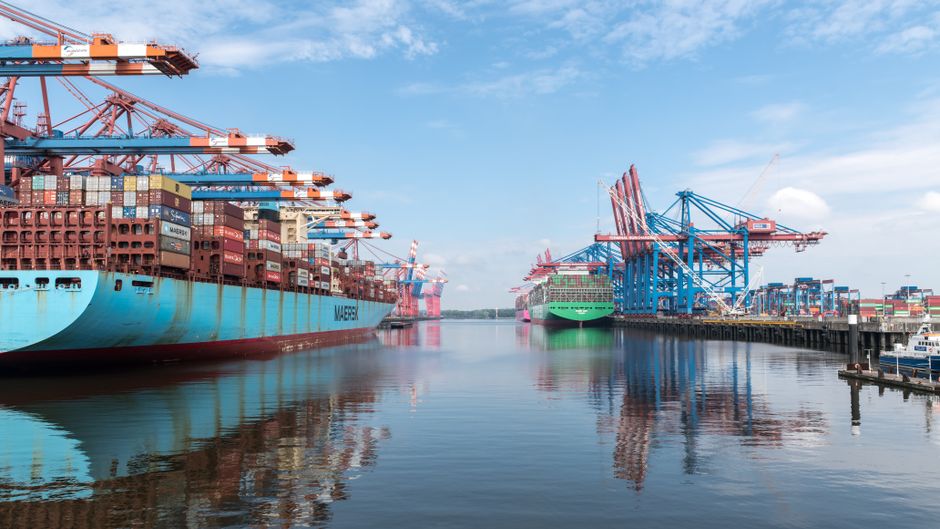
Leatherman was not closed for failure; it was closed because the port's economics no longer supported it. The terminal was designed for high throughput, but its actual utilization has stayed below 10% for most of its operating life — nine-tenths of its equipment and yard capacity sat idle, while the port continued to carry the fixed maintenance and labor costs of running a world-class facility at a fraction of its design capacity. At the same time, neighboring ports — Savannah, New York/New Jersey, Virginia — have been aggressively expanding capacity and pulling share, and US import volumes have softened enough that three terminals on one harbor cannot all be kept busy. Charleston's response was to shut the lowest-utilization asset and concentrate volumes on Wando Welch and North Charleston, where labor, gate, and rail connections are already proven at scale.
The lesson for shippers is that terminal choice is increasingly being made by ports, not by carriers. When a port decides to retire a terminal, the carrier's service network absorbs the change — but the shipper absorbs the cost in the form of delayed pickups, missed store replenishment windows, and demurrage that no contract clearly anticipates. This is the first such consolidation in the US Southeast in recent memory; it is unlikely to be the last.
Four Hidden Cost Lines That Are Already Spiking
The first cost line is demurrage and detention. During the transition, terminal operating systems and carrier release systems do not always agree on the yard position, free-time clock, or return gate. Pickup and return routinely slip 3–7 days. On a standard 40' container, a one-week delay adds hundreds of dollars in detention, and any second-week delay compounds it. For mid-sized e-commerce sellers operating on thin margins, a single delayed box can wipe out the margin on the entire PO.
The second is local drayage premiums. With three terminals' worth of volume now compressed into two, and the August peak season competing for the same chassis, tractors, and drivers, local drayage providers have raised rates 20–40% for Southeast warehouse moves. Shippers running regular FCL programs into Savannah-area or Charleston-area 3PLs should expect their per-mile landed cost to step up this month and stay elevated until capacity catches up.
The third is inventory stock-out. A delay of a week at the terminal is a delay of a week at the receiving warehouse, which is a delay of a week before the listing can be restocked. By the time the box is emptied, organic ranking has slipped, paid-ad spend has already been burned, and recovery is no longer a freight question — it is a marketplace question. That is the most expensive line item on this list, and it does not appear on any freight invoice.
The fourth is rate stacking. The week of August 1, USEC spot rates jumped 12.6% to USD 9,054/FEU, because back-to-school cargo is hitting the trade at the same moment that the terminal disruption is throttling effective capacity. So the same shipper is paying more for the box on the water and more for the box on the ground — the two effects are not redundant, they are multiplicative.
A Five-Step Checklist You Can Reuse Every Time a Port Consolidates
First, validate the terminal field. Pull every in-transit and not-yet-loaded USEC B/L, find the terminal string in the booking confirmation or arrival notice, and confirm it now reads Wando Welch or North Charleston. Bookings still pointing at Leatherman need to be reissued before the vessel cuts its voyage; the cost of a reissue is trivial compared with the cost of a drayage appointment made against the wrong gate.
Second, rebook appointments three to five days earlier than usual. Terminal appointment systems in a transition are first-come-first-served against an unstable slot pool. Push your drayage provider to lock slots as soon as the container is gated at the port, not when it is on the stack.
Third, get free time in writing. A terminal change of this kind is a foreseeable operational adjustment by the carrier, and most tariff free-time rules were not drafted to cover it. Ask the carrier in writing — before the box arrives — for a 3–5 day free-time extension across demurrage and detention. Pre-arrival it is a commercial term; post-arrival it is a favor.
Fourth, recalculate safety stock for Southeast warehouses. Assume an additional seven days of delay on top of your normal buffer for the next two months. For high-velocity SKUs, split safety stock between a Southeast DC and a Savannah or NY-area DC so that a single terminal disruption cannot take a listing offline.
Fifth, treat carrier choice as terminal choice. The structural lesson from Charleston is that single-carrier, single-terminal exposure is the new risk factor for USEC shippers. Carriers that call two different Southeast terminals — or two different Southeast ports — give you a natural hedge against the next consolidation. Build a carrier-by-terminal reference table and refresh it once a quarter.
Market Outlook
Charleston is the leading edge, not the exception. With Savannah, New York, and Virginia all expanding capacity into a softening import-demand environment, more US Southeast and Mid-Atlantic ports will face the same utilization-versus-cost math over the next 12–24 months. Expect at least one further terminal retirement on the USEC or US Gulf within the next year, and expect that the next one will be announced with shorter notice. Carriers will continue to absorb the operational hit; shippers will continue to absorb the cost. The actionable defense is structural — diversify the carrier mix, maintain a live terminal-by-lane reference, and contractually extend free-time clauses in advance of any announced port change, not after.
JETWAY Supply Chain provides ocean freight, air cargo, rail, customs brokerage, and warehousing solutions across Asia-Europe-US trade lanes. Request a quote or contact our team.