
Suez Is Back at 60 Percent But Rates Keep Sliding
Executive Summary
Drewry WCI fell 2% to $4305/40ft on Nov 12, the third weekly drop. But 53 vessels passed through Suez that week and about 60% of Asia-Europe capacity is back on the canal. Carriers are fighting the slide with blank sailings (8 next week) and higher FAK/PSS in late November. Tianjin port inland-rail volume rose 5.3% and its China-Europe rail ran 579 trains.
| That | 60% |
| Container Index | 2% |
| Shanghai to New | 3% |
| Shanghai to Rotterdam | 132% |
| Rail | 5.3% |
| with volume | 12% |
| with volume 2 | 10.7% |
Overview
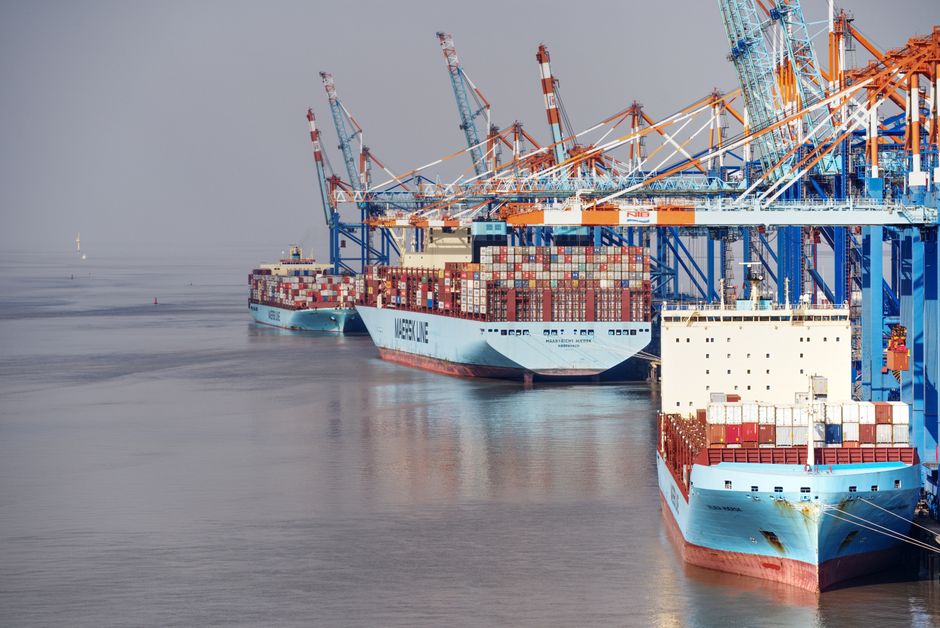
Drewry data: 53 vessels transited Suez last week, and about 60% of Asia-Europe capacity is back on the canal. That is the highest share since the Red Sea crisis began. CMA CGM and MSC even pulled their joint Europe-Australasia service back through Suez both ways, needing two fewer ships for the same rotation. The long way around the Cape is finally emptying.
Put simply, more base capacity means downward pressure on spot rates. You have more base capacity now. Do not bet on a rebound next week. Capacity does not unwind in a day.
Key Details
WCI sat at $4305/40ft on Nov 12, down 2%, the third straight weekly drop. Shanghai to New York fell 3% to $9020/40ft, the lowest since August. Shanghai to Los Angeles dropped 2% to $7416/40ft, the lowest since September. Shanghai to Rotterdam eased 3% to $3504/40ft. Still 132% above a year ago, but the weekly line is bending.
Carriers are not conceding. They announced 8 blank sailings next week, up from 4, and pushed higher FAK and PSS for late November. Bottom line: blank sailings are an old trick. When you see a carrier price letter, check the spot market first. Demand is genuinely weak this time, so the support holds for a stretch, not a season.
Looking Ahead
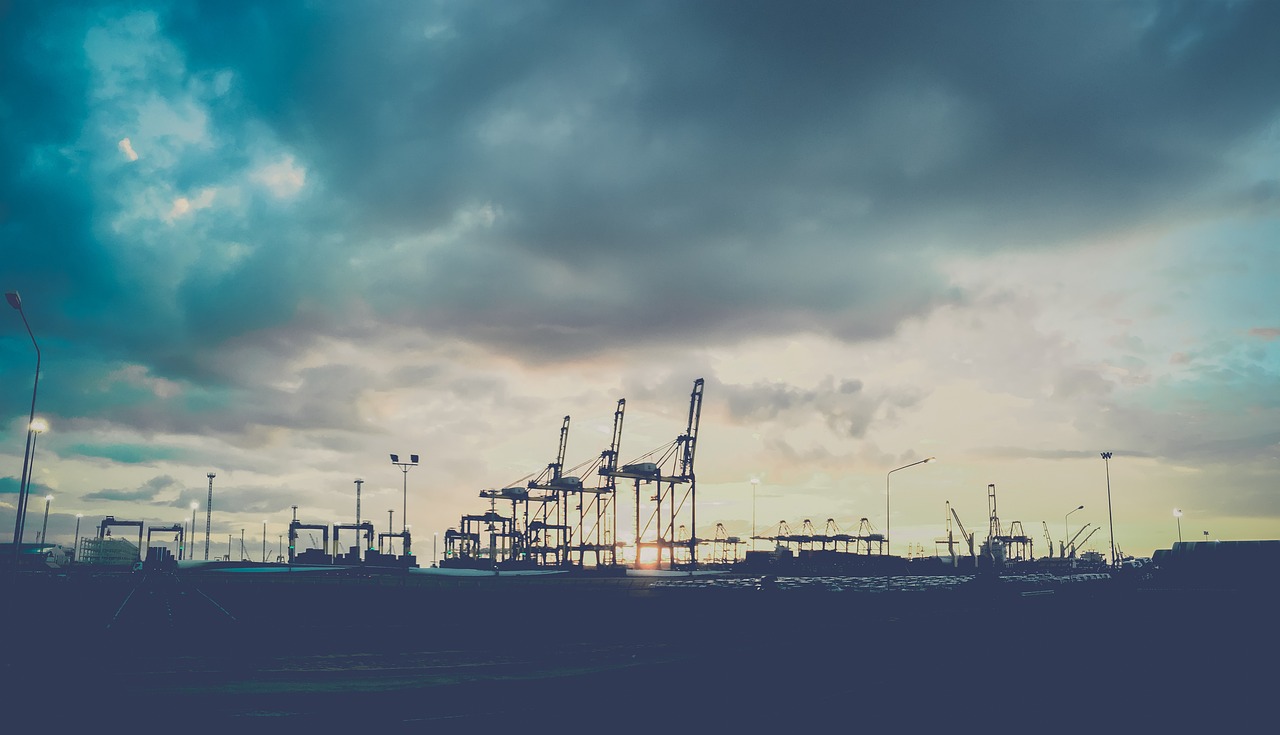
One counter signal: Shanghai port wait time rose to 49 hours last week from 36, ending eleven weeks of easing. Ships are coming back, and the ports are clogging too. More capacity is not the same as smooth ports. You should leave more buffer on this leg.
Remember, watch the ship and the port separately.
Implications
Tianjin port inland-rail volume rose 5.3% in the first three quarters. Its China-Europe and China-Asia rail ran 579 trains, with volume up 12% and 10.7%. When the sea lane wobbles, the rail bridge is a ready hedge. If you move cargo from the northern hinterland, watch the rail block-space this year rather than gambling on ocean spot.
Rates will slide. The land bridge is the steadier bet.
Market Outlook
Market participants should monitor upcoming rate announcements and capacity adjustments closely.JETWAY Supply Chain is your execution partner on the ground in China — based in Tianjin, licensed as an NVOCC (MOT) and a member of CIFA, FIATA and WCA. We handle special cargo and compliance (dangerous goods, chemicals, batteries) across ocean, air, rail and road, and we pre-check your documents before the box is stuffed so your filing clears the first time. Send us your next booking and we will run the checks above against your sailing date. Request a quote.