
Tianjin Routes Dangerous Goods by Berth: North Takes Your Class 5, 8 and 9 Boxes, South Takes Liquid — a New Berth Opens in November
Tianjin Routes Dangerous Goods by Berth: North Takes Your Class 5, 8 and 9 Boxes, South Takes Liquid — a New Berth Opens in November
Executive Summary
Tianjin Port does not take dangerous goods just anywhere. Packaged DG containers move through the North port's container terminals; bulk liquid goes to the South. Get the split wrong and your box is never discharged — you simply waste the trip. Here is exactly which berth takes your Class 5, 8 and 9 container, and what changes when the new Huisheng berth opens in November.
Tianjin Splits Dangerous Goods by Port — North Takes Boxes, South Takes Liquid
Packaged dangerous-goods containers basically only move through Tianjin's North port. The South port is almost entirely bulk liquid. The Tianjin port authority's own hazardous-cargo operator list makes it plain: Pacific International, Euroasia International, Union International, Tianjin Port Container Terminal and the Second Container Terminal — all North-port container terminals — hold packaged-DG handling licences.
The South port is a different world. CNOOC, Sinopec, North Port Petrochemical, the petrochemical terminal, CNPC LNG… every one of them takes bulk liquid only — oil products and chemical liquids. Why does the split matter? Because a wrong-port box is not delayed, it is refused. Send your drummed or bagged DG box south and they will not accept it.
So here is rule one. Do not send a DG box south out of habit. Get the port wrong and it is not a queue — the box cannot be discharged at all. You waste the trip.
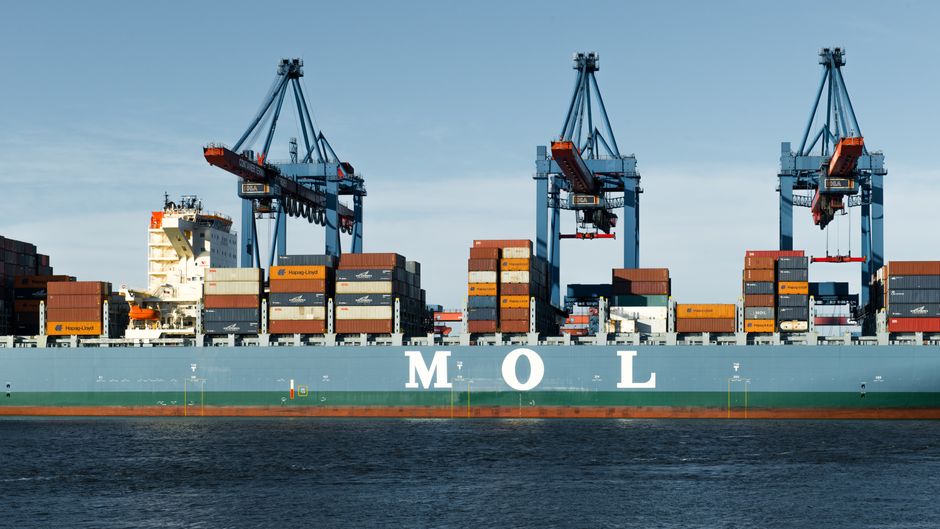
Which Berth Takes Your Class 5, 8 and 9 — and the New One in November
Let's get specific. Ordinary packaged DG boxes — Class 8 corrosive, Class 9 miscellaneous — go to the North-port container terminals and they will almost all take them. Six North-port terminals hold packaged-DG licences: Pacific International, Euroasia International, Union International, the Fourth Port, Tianjin Port Container Terminal and the Second Container Terminal. You cannot go wrong naming any of them. The C-section berths in the North are the real home of DG handling.
If your cargo is Class 5 oxidizer, Class 8 corrosive or Class 9 miscellaneous, here is the news: the Huisheng terminal's new multi-purpose berth, spelled out in black and white in the tender, will handle Class 5/8/9 DG containers — load and discharge only, no storage. Total investment is RMB 1.48 billion, with 650 metres of quay and designed annual throughput of 6.55 million tonnes, and it breaks ground in November. Once it opens, Tianjin's local acceptance rate for Class 5/8/9 climbs above 25% — one more door for your boxes. The catch is the "no storage" line: if you want to stockpile containers, this berth will not take them.
The North port also runs Wu Jie Logistics, built for packaged-DG warehousing — when your box needs temporary storage or a short shuttle, that is your call, and our special cargo desk can line up Wu Jie for you. The South-port DG yard sits far from the berth, and any old hand knows it: ask where the yard is before the box arrives. Miss that and you may truck it 60 kilometres, and demurrage runs at least RMB 800 a day — in peak season the queue adds another 10 days.
My read: Tianjin is opening up to packaged dangerous goods. But if your box needs to sit overnight, do not count on the terminal. Find a licensed warehouse first — terminals do not store, and that is a hard rule.
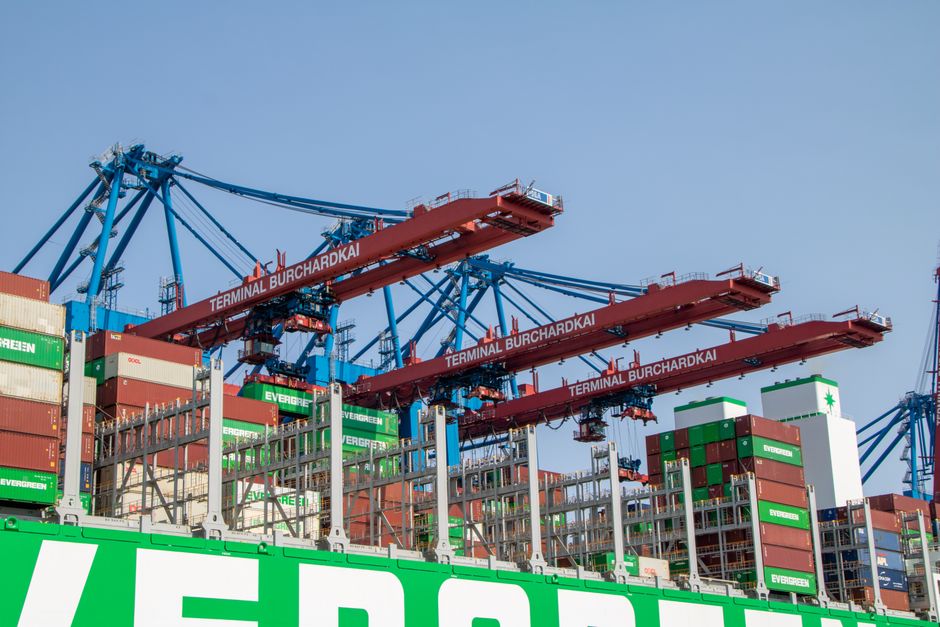
Before You Book: Match the Berth to Your Hazard Class
One plain tip for shippers up north: check "berth plus class" before you book, not after you arrive. Get the port wrong and you waste the trip — and the money.
① Packaged DG box → North-port container terminals (Pacific, Euroasia, Union International and the rest); stay out of the South. ② Class 5/8/9 wanting the new lane → watch the Huisheng berth; after November it is one more option. ③ Need storage or a shuttle → Wu Jie Logistics in the North. ④ Bulk liquid → the South-port operators, and keep it separate. Put simply, Tianjin's DG work comes down to eight words: North takes boxes, South takes liquid. Remember that and you save real demurrage money.
Market Outlook
Frankly, the berth split is good news for buyers shipping chemicals through Tianjin — more doors, clearer rules. But the "no storage" line on the new Huisheng berth is the part your team will feel. If you run just-in-time DG out of North China, build the warehouse step into the plan now; do not assume the terminal will hold your box. My read: by early next year Tianjin's Class 5/8/9 local acceptance climbs above 25%, and that takes pressure off the tight sailing windows — but only for load-and-go cargo. Stock-and-hold still needs a licensed warehouse.
What this means for your quote: when you send us a Tianjin DG booking, tell us the hazard class first. We match it to the right berth, confirm storage needs, and price the shuttle before you commit the sailing. One wrong-port booking can cost you RMB 800 a day in demurrage plus a 10-day peak queue — we would rather catch it on paper. Your next move: send us your next DG booking and we will run the berth-and-class check against your sailing date. Request a quote.
JETWAY Supply Chain is your execution partner on the ground in China — based in Tianjin, licensed as an NVOCC (MOT) and a member of CIFA, FIATA and WCA. We handle special cargo and compliance (dangerous goods, chemicals, batteries) across ocean, air, rail and road, and we pre-check your documents before the box is stuffed so your filing clears the first time. Send us your next booking and we will run the checks above against your sailing date. Request a quote.